
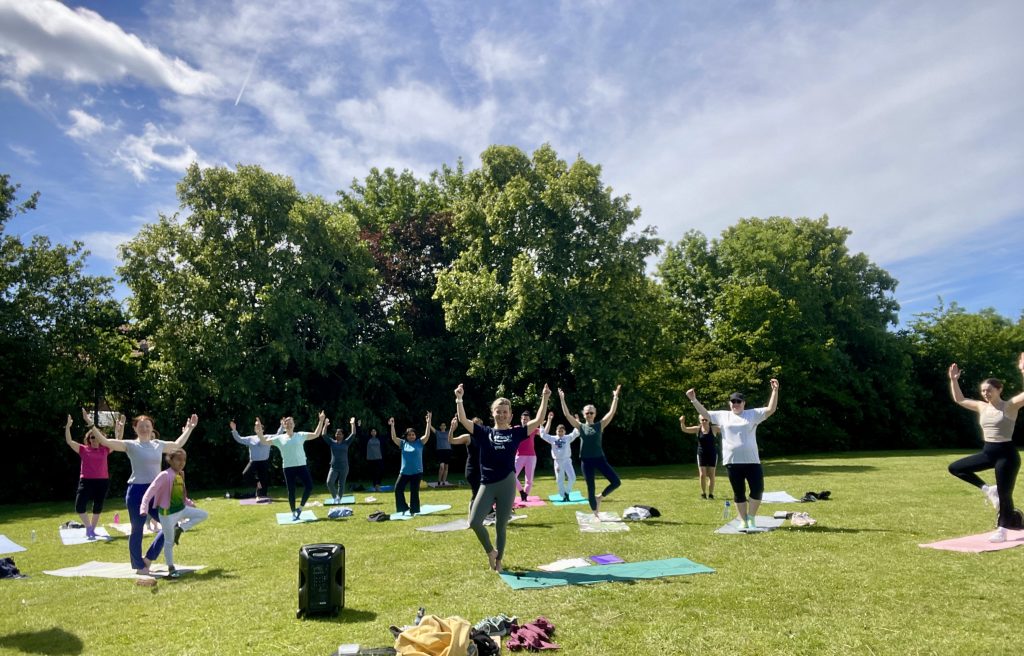
Combining balance, strength and flexibility can reduce falls by around 25%.
Balance Isn’t Just For Later Life.
Whether you’re navigating a busy work schedule, chasing after children, enjoying long walks, playing sport or simply wanting to move with greater ease, good balance helps us stay strong, agile and confident in our bodies.
The good news is that balance can be improved. In fact, research shows that exercise programmes combining balance, strength and flexibility can reduce falls by around 25%. While falls prevention is often discussed in relation to older adults, the same qualities that help reduce falls—strength, stability, coordination and body awareness—benefit us all.
This is where yoga comes into its own.
Yoga naturally combines balance training, muscle strengthening, joint mobility, flexibility and focused attention.
When we move through poses, we’re not just stretching; we’re developing the communication between brain and body that helps us react, adapt and move with confidence.
Regular practice can improve posture, strengthen stabilising muscles, support joint health and enhance coordination.
Perhaps most importantly, yoga encourages us to pay attention. In a world full of distractions, taking time to move mindfully helps develop concentration and body awareness. These are skills that serve us both on and off the mat.
So whether your goal is to feel stronger, move more freely, support your sporting activities, manage the demands of everyday life or invest in your long-term health… balance work deserves a place in your routine.
After all, balance isn’t just about staying upright—it’s about creating a strong foundation for movement, health and wellbeing at every stage of life.
Sources: Cochrane; NHS guidance on strength, flexibility and balance; evidence reviews showing that exercise programmes combining balance and strength training can significantly reduce falls risk.